
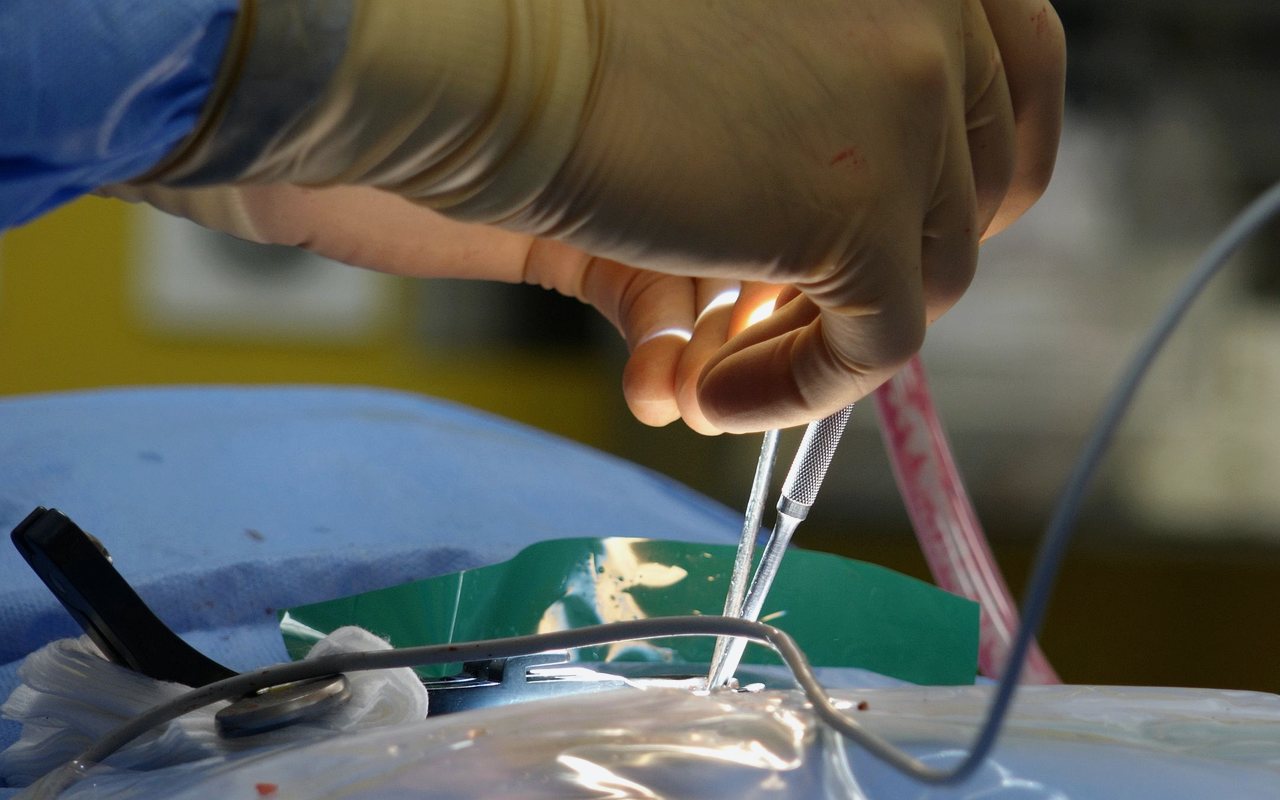
Cerebral aneurysm clipping
Craniotomy and titanium clip placement across the aneurysm neck, with proximal vascular control and microsurgical dissection.
See the procedure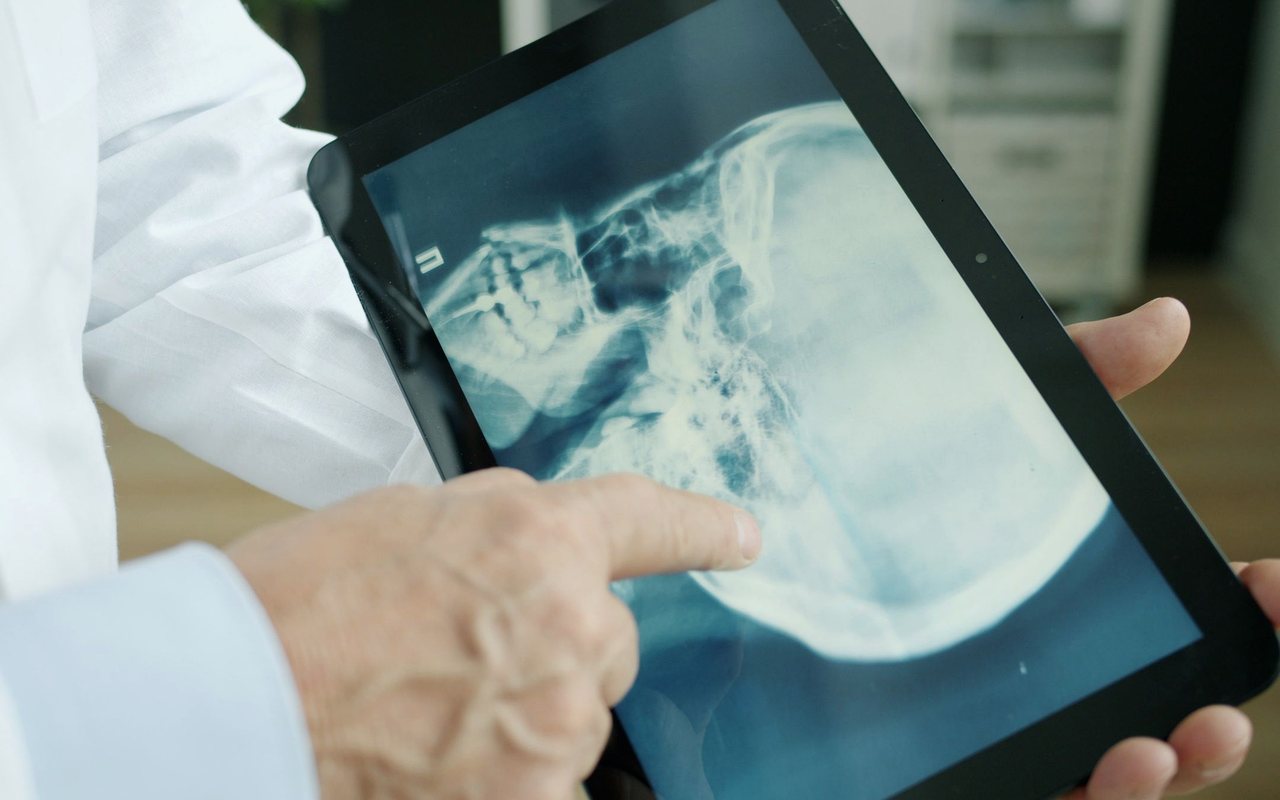
A bulge in the wall of a brain artery. Most give no symptoms until they bleed, and when they bleed, time is everything.
Aneurysms form at weak points in the arterial wall, mainly at the branching points at the base of the brain. Many stay stable for life and never cause trouble; a minority grow and eventually rupture, causing a subarachnoid haemorrhage.
The classic symptom of rupture is unmistakable once you know it: a headache of sudden onset, described as the worst of a lifetime, reaching maximum intensity within seconds. It is usually accompanied by nausea, vomiting, neck stiffness, light intolerance and, in severe cases, loss of consciousness. It is not a migraine getting worse: it is a blow.
Unruptured aneurysms are increasingly found by chance on studies ordered for something else. There is no rush there, but there is a decision: watch or treat. Size, shape, location, age and family history are weighed against the risk of the procedure, and that conversation happens with the angiogram in view.
The procedures that may be indicated for this condition. Which one applies to you — if any does — is decided on your imaging and your examination.
Craniotomy and titanium clip placement across the aneurysm neck, with proximal vascular control and microsurgical dissection.
See the procedure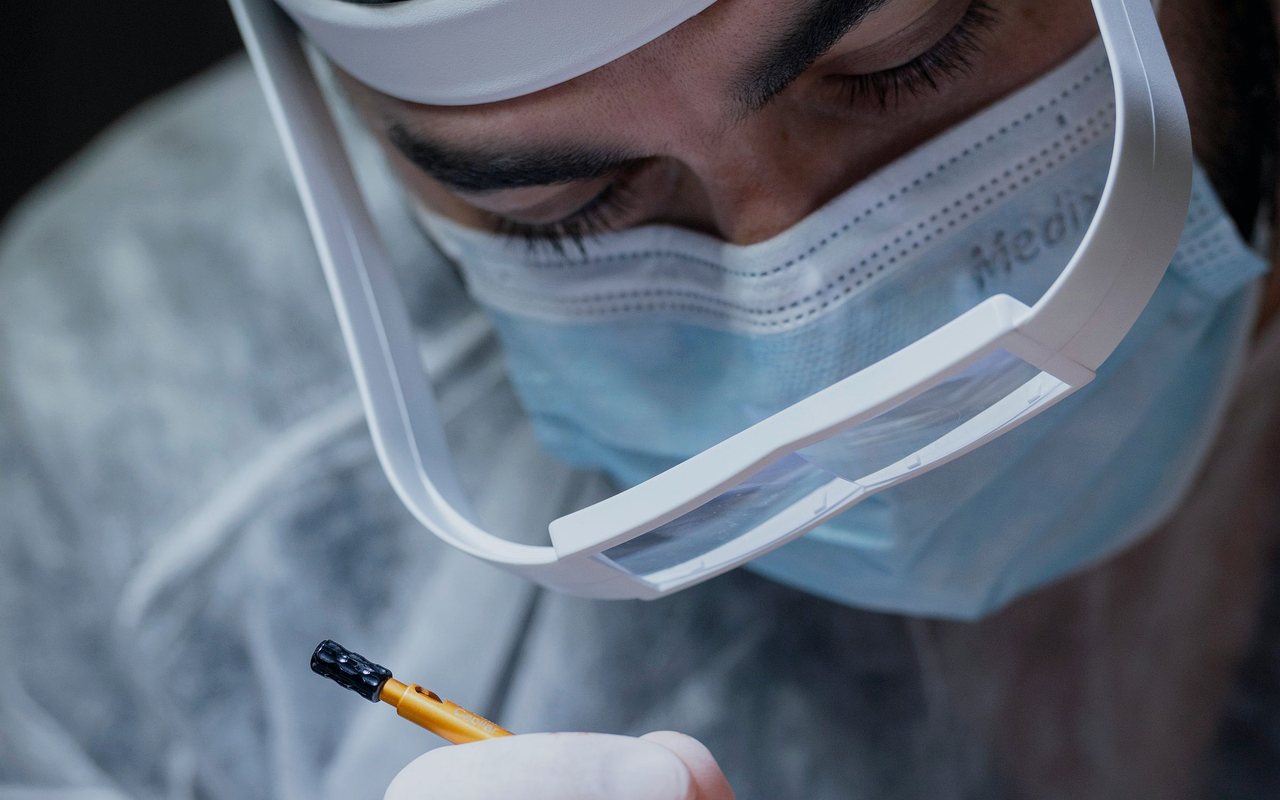
A temporary bone window to reach the brain. The bone is replaced and fixed at the end — no gap is left behind.
See the procedure
Microsurgical resection of cerebral arteriovenous malformations, alone or combined with prior embolisation.
See the procedureLoss of consciousness, the worst headache of your life, sudden weakness on one side, difficulty speaking, a seizure, projectile vomiting, or loss of bladder control together with back pain. Go to an emergency department immediately and call (664) 104-9153.
The worrying pattern is thunderclap headache: absolutely sudden onset, maximum intensity within seconds, unlike any previous pain, often with vomiting and neck stiffness. If that happens, go to an emergency department immediately — it is not a picture to wait out at home.
Screening is recommended mainly when two or more first-degree relatives are affected, or in certain conditions such as polycystic kidney disease. With a single affected relative the indication is discussed case by case. Ask before ordering studies on your own.
Many are followed with periodic CT angiography while blood pressure is controlled strictly and smoking stopped — the two measures that most reduce risk. Treatment follows when size, irregular shape or growth justify it.
There is no guarantee, but controlling hypertension and giving up tobacco significantly reduce risk. They are the two best-supported recommendations for anyone living with a known aneurysm.
One consultation with your MRI or CT in hand is worth more than ten internet searches. Book by phone or through the form and you will be told what is there, what it means and what your options are.