

Lumbar microdiscectomy
Nerve root decompression for lumbar disc herniation, through a minimal incision with optical magnification.
See the procedure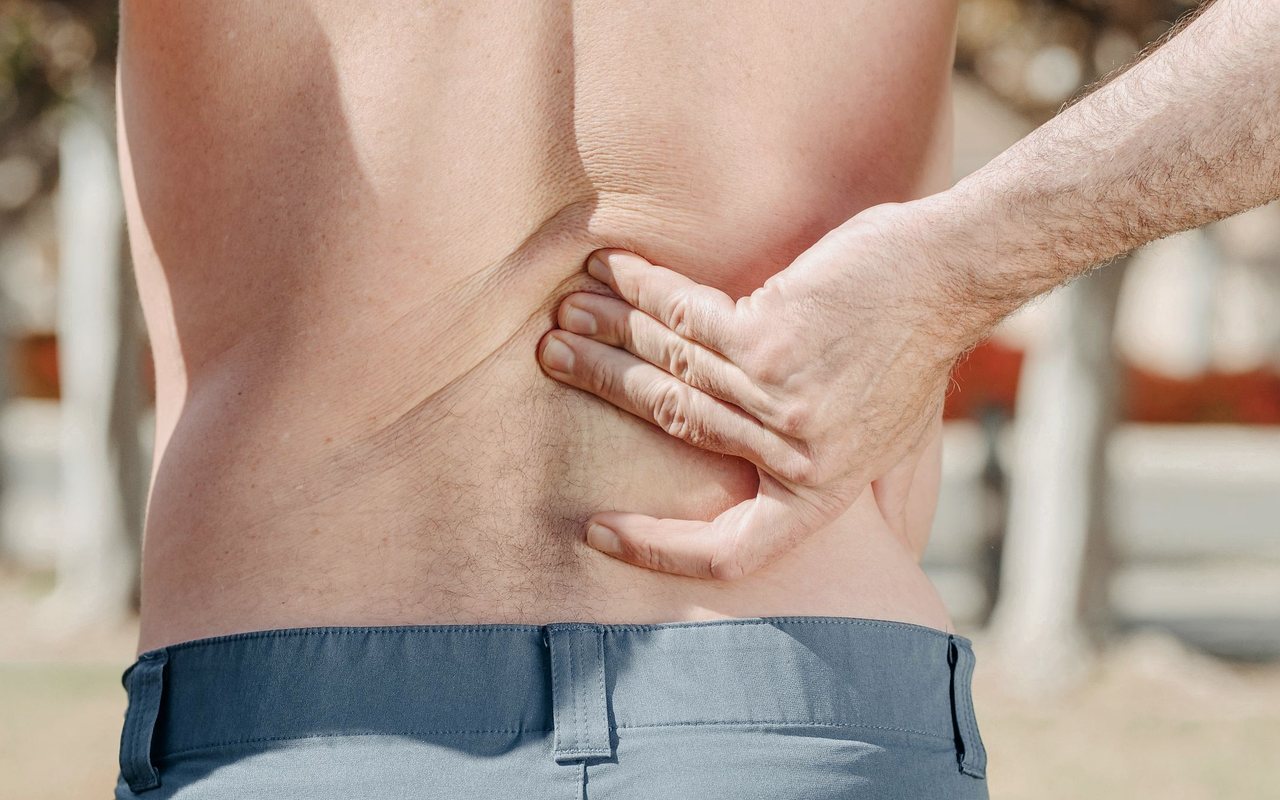
Pain running down the leg, with tingling or weakness, almost always comes from a compressed nerve root in the low back. Most cases improve without surgery.
Between every two vertebrae sits a disc that cushions and allows movement. With wear, its outer ring weakens and the nucleus can push out and press on a nerve root. When that happens in the lumbar spine the pain does not stay in the low back: it runs down the buttock and leg along the path of the nerve. That is sciatica.
The good news, worth stating at the outset, is that most lumbar herniations improve without surgery. With adequate analgesia, targeted physiotherapy and controlled activity, a very high proportion of patients are substantially better within six to twelve weeks. The herniated fragment tends to dehydrate and shrink on its own.
Surgery is considered when that window passes without real improvement, when progressive muscle weakness appears, or in cauda equina syndrome, which is an immediate emergency. An MRI showing a herniation, in a patient whose pain is settling, is not a reason to operate: you operate on the person, not on the image.
The procedures that may be indicated for this condition. Which one applies to you — if any does — is decided on your imaging and your examination.
Nerve root decompression for lumbar disc herniation, through a minimal incision with optical magnification.
See the procedure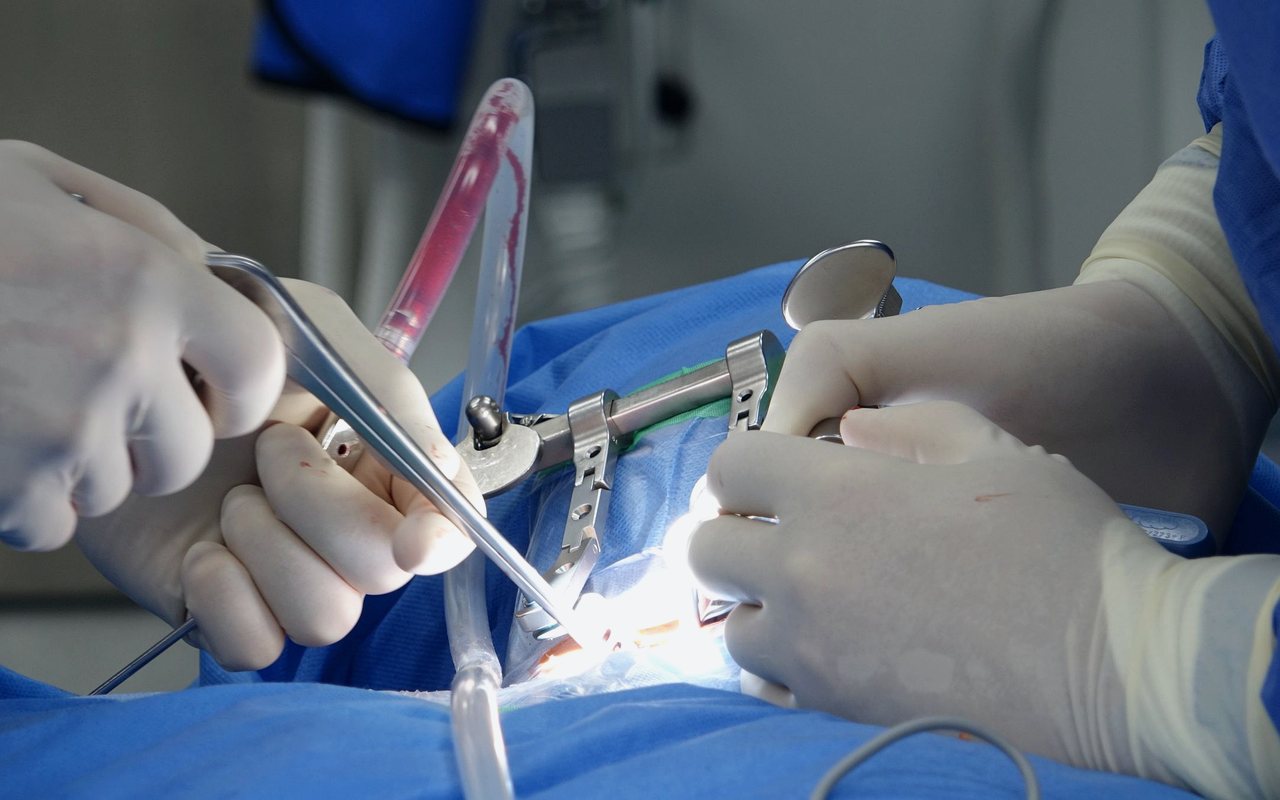
Enlargement of the spinal canal for lumbar stenosis, removing lamina and hypertrophied ligamentum flavum.
See the procedure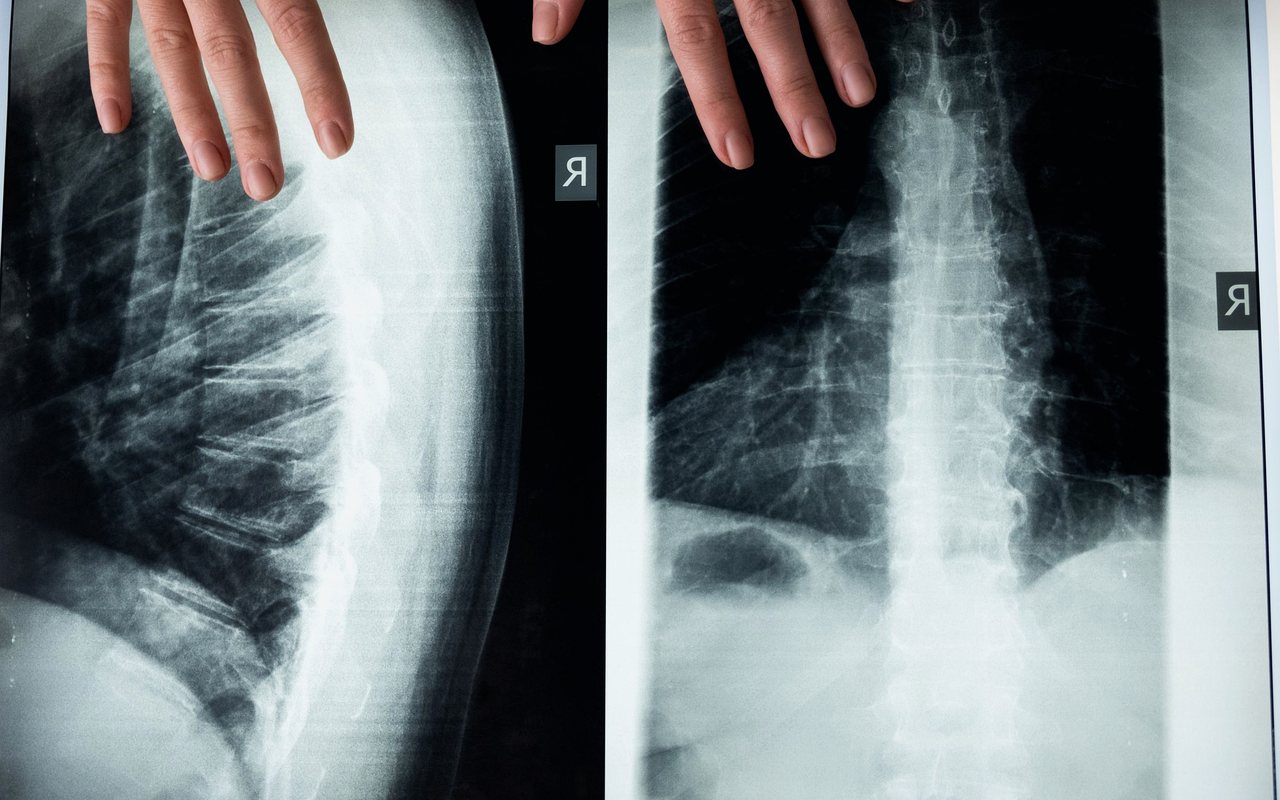
Pedicle instrumentation and bone fusion for instability, spondylolisthesis and lumbar deformity.
See the procedureLoss of consciousness, the worst headache of your life, sudden weakness on one side, difficulty speaking, a seizure, projectile vomiting, or loss of bladder control together with back pain. Go to an emergency department immediately and call (664) 104-9153.
Not necessarily. Disc herniations appear even on scans of people with no pain at all. What decides surgery is symptoms, neurological examination and imaging agreeing on the same level and side, plus failure of properly delivered conservative treatment.
It is massive compression of the roots at the end of the spinal cord. It presents with difficulty or inability to pass urine, incontinence, saddle numbness and weakness in both legs. It is a surgical emergency: go to an emergency department immediately, do not wait for an appointment.
Yes, and in fact prolonged rest makes things worse. What needs adjusting is the type: walking, swimming and guided trunk strengthening, yes; lifting weight from the floor with a flexed spine, no. A physiotherapist should guide the progression.
They can give temporary relief and help you through the acute phase while the herniation reabsorbs, particularly in severe radicular pain. They do not correct the compression definitively, so they are used as part of conservative treatment, not as a substitute for a clear surgical indication.
One consultation with your MRI or CT in hand is worth more than ten internet searches. Book by phone or through the form and you will be told what is there, what it means and what your options are.