
- Home
- Procedures
- Traumatic brain injury surgery in Tijuana
Traumatic brain injury surgery in Tijuana
A road accident, a fall, a direct blow. When trauma leaves a haematoma, a depressed fracture or swelling that will not settle, surgery is measured in hours, not days.
The primary injury and the one that can still be prevented
In head trauma there are two injuries. The primary one happens at the instant of impact and can no longer be changed. The secondary one happens over the following hours: an expanding haematoma, cerebral oedema, rising intracranial pressure, lack of oxygen or blood flow. All of trauma neurosurgery exists to prevent that second injury.
That is why the clock matters so much. An epidural haematoma evacuated in time can mean full recovery in a young person; the same haematoma six hours later, with a blown pupil, changes the prognosis entirely. After a head injury with loss of consciousness, repeated vomiting, confusion or worsening headache, go to the emergency department — do not wait and see.
What is done in theatre
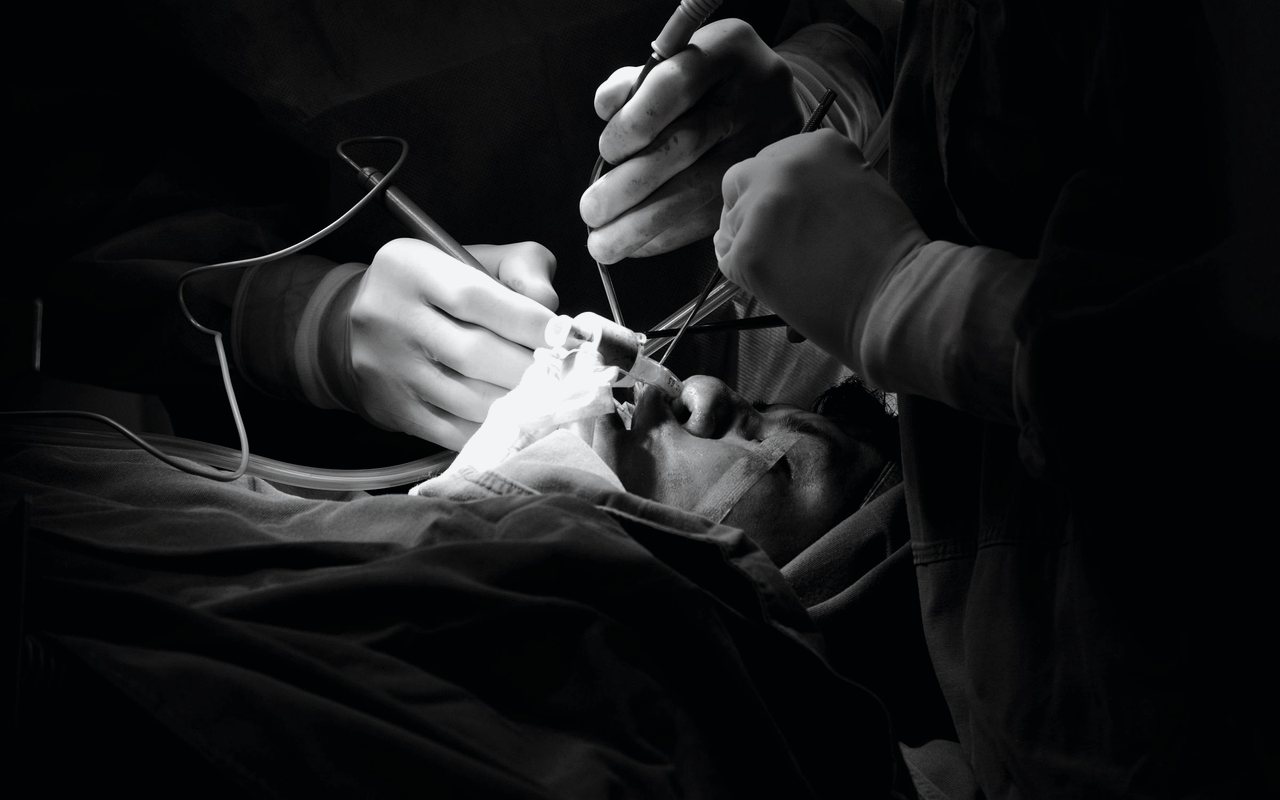
It depends on what the CT shows. An acute epidural or subdural haematoma with mass effect is evacuated through a craniotomy. A depressed fracture compressing the brain or breaching the dura is elevated and repaired. A contusion that bleeds and grows may need resection. And when the brain is so swollen that pressure will not settle, a decompressive craniectomy is performed: a wide bone flap is removed and left out to give room.
That bone is not lost. It is preserved and replaced in a cranioplasty months later, once swelling has settled. Subsequent management — intracranial pressure, sedation, sodium control, seizure prophylaxis — is carried out in intensive care with the critical care team.
What the procedure involves
When it is indicated
- Acute epidural haematoma with neurological deterioration
- Acute post-traumatic subdural haematoma
- Depressed skull fracture with compression or an open wound
- Cerebral contusion enlarging on serial CT
- Intracranial hypertension refractory to medical treatment
- Post-traumatic cerebrospinal fluid leak
Techniques and resources
- Head CT
- Craniotome
- Titanium plates and screws
- Intracranial pressure monitor where indicated
- Custom cranioplasty implant
- Intensive care management
Frequently asked questions about head trauma surgery
Not every blow needs one, but a scan is required for anyone who lost consciousness, vomited more than once, is confused or drowsy, had a seizure, takes anticoagulants, is over 65, or has a worsening headache. When in doubt, go to the emergency department.
It is the temporary removal of a large part of the skull so a swollen brain has somewhere to expand without being crushed against bone. The fragment is preserved and replaced months later, once swelling has settled, in an operation called cranioplasty.
Yes. Surgery treats the lesion that can be removed, but damage done at the instant of impact is not reversed by a scalpel. Problems with memory, attention, mood or fatigue are common after moderate or severe trauma and need neurological rehabilitation.
Bring your imaging and settle the question
One consultation with your MRI or CT in hand is worth more than ten internet searches. Book by phone or through the form and you will be told what is there, what it means and what your options are.