
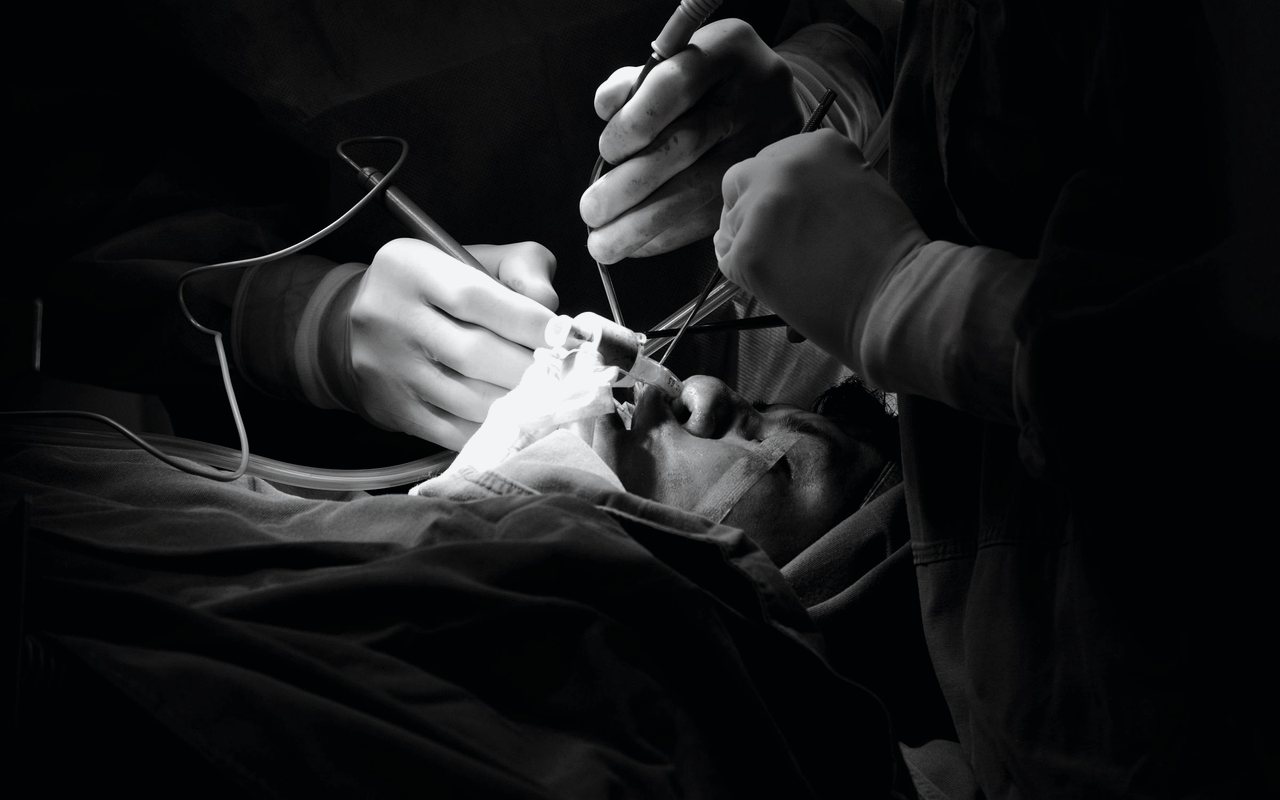
Head trauma surgery
Surgical management of head trauma: haematoma evacuation, elevation of depressed fractures and decompressive craniectomy.
See the procedure
Not every blow to the head needs a CT, but some do and cannot wait. These are the signs that separate one from the other.
Traumatic brain injury ranges from a mild concussion that settles on its own to a severe injury with haematoma and brain compression. In Tijuana the commonest causes are road accidents, falls — particularly in older adults — and assaults. What decides the outcome, in most cases, is how long it takes to detect a lesion that requires surgery.
There is a classic trap worth knowing: the lucid interval of an epidural haematoma. The person is struck, loses consciousness for a few seconds, wakes up and seems fine for an hour or two, and then deteriorates rapidly. That apparent well-being in between is what sends many people home who should have stayed under observation.
So after a significant blow, the prudent course is observation through the first 24 hours, even if the person is awake and talking. And there are groups in whom the threshold for requesting a CT should be far lower: older adults, people taking anticoagulants, and anyone with previous brain surgery or a shunt.
The procedures that may be indicated for this condition. Which one applies to you — if any does — is decided on your imaging and your examination.
Surgical management of head trauma: haematoma evacuation, elevation of depressed fractures and decompressive craniectomy.
See the procedure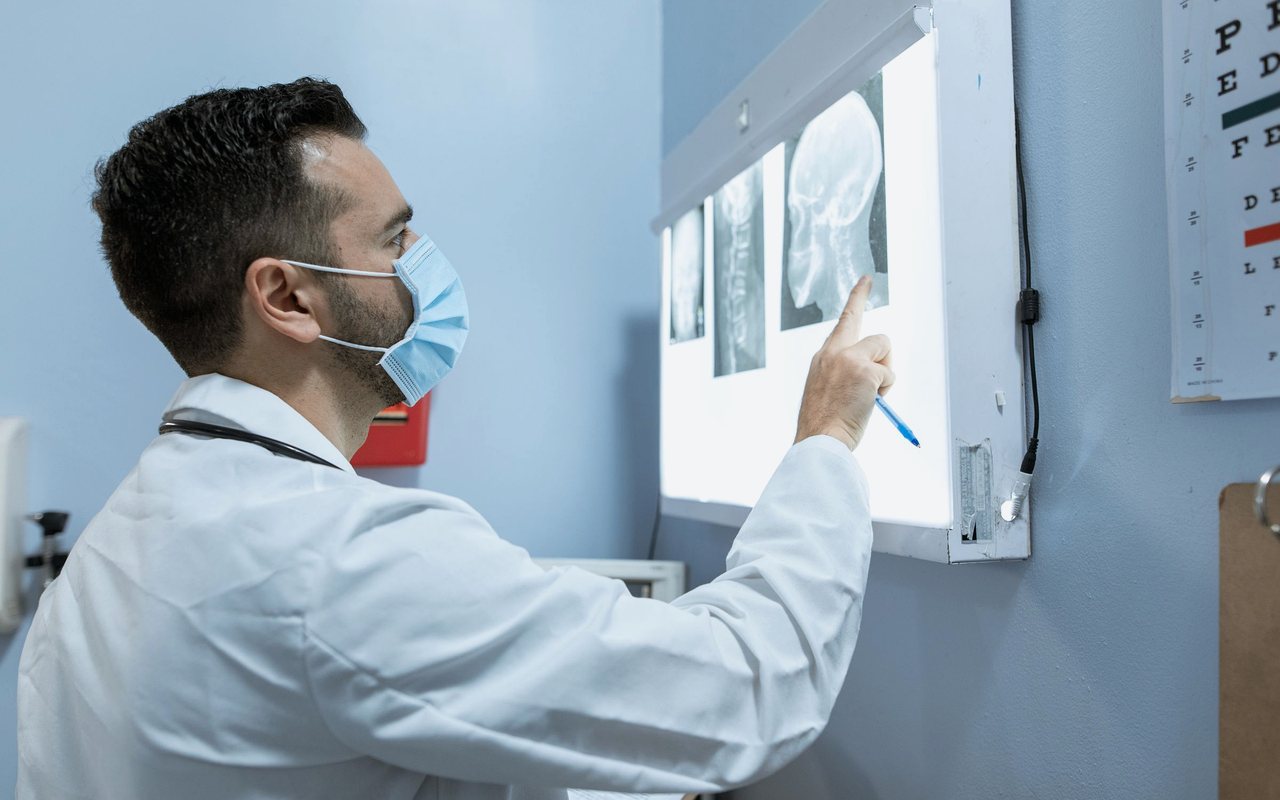
Evacuation of acute or chronic subdural haematoma through burr holes or craniotomy, with closed drainage.
See the procedure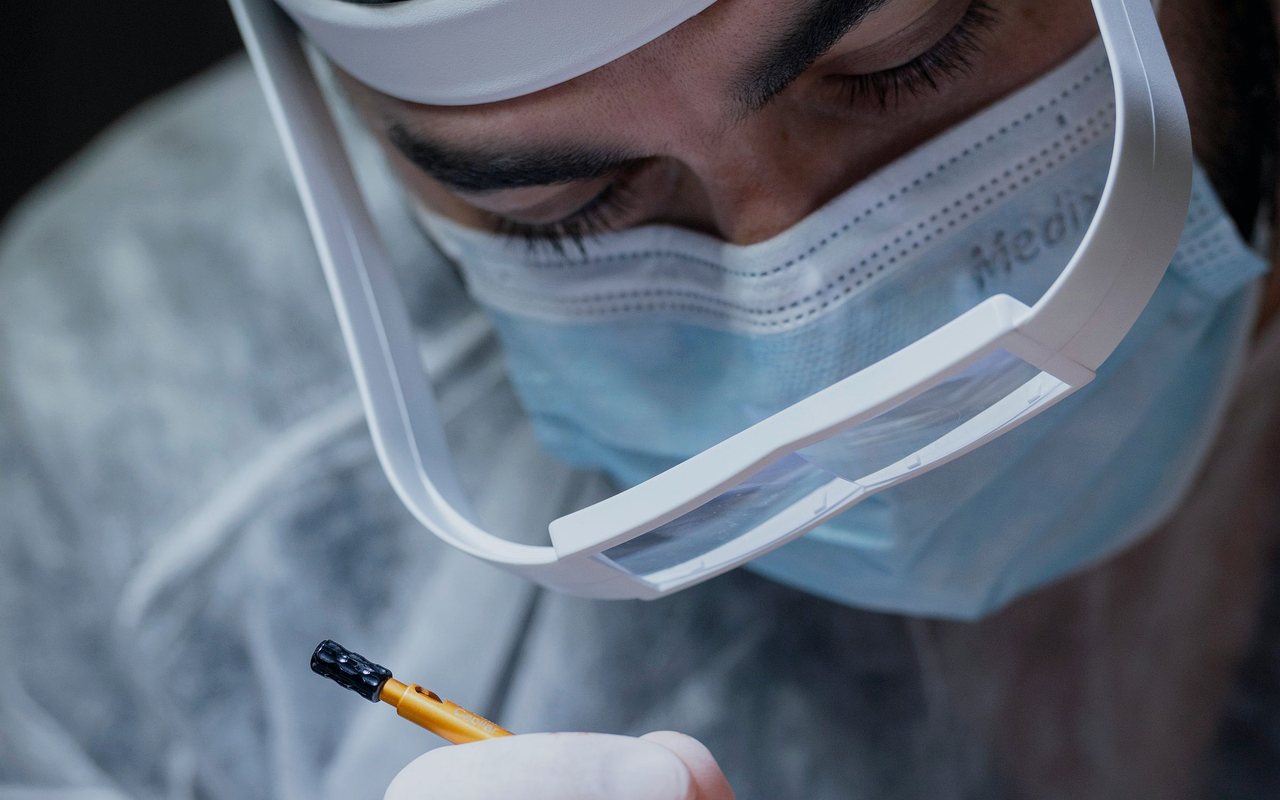
A temporary bone window to reach the brain. The bone is replaced and fixed at the end — no gap is left behind.
See the procedureLoss of consciousness, the worst headache of your life, sudden weakness on one side, difficulty speaking, a seizure, projectile vomiting, or loss of bladder control together with back pain. Go to an emergency department immediately and call (664) 104-9153.
If he did not lose consciousness, has not vomited, is not drowsy or confused and is behaving normally, watching him at home for 24 hours is usually enough. Go to the emergency department if repeated vomiting, unusual drowsiness, increasing headache, a seizure or any behavioural change appears.
Yes, considerably. In anticoagulated patients an apparently minor blow can produce intracranial bleeding that shows up hours or days later. In that case CT and observation are advisable even without initial symptoms.
It is a transient disturbance of brain function after a blow, with no visible lesion on CT. There may be confusion, headache, dizziness, nausea, difficulty concentrating and light sensitivity for days or weeks. It calls for graded cognitive and physical rest, and avoiding a second impact while it lasts.
Yes. After moderate trauma, problems with memory, attention, irritability and fatigue are common and do not always show on imaging. They deserve assessment and neurological rehabilitation rather than being dismissed.
One consultation with your MRI or CT in hand is worth more than ten internet searches. Book by phone or through the form and you will be told what is there, what it means and what your options are.