
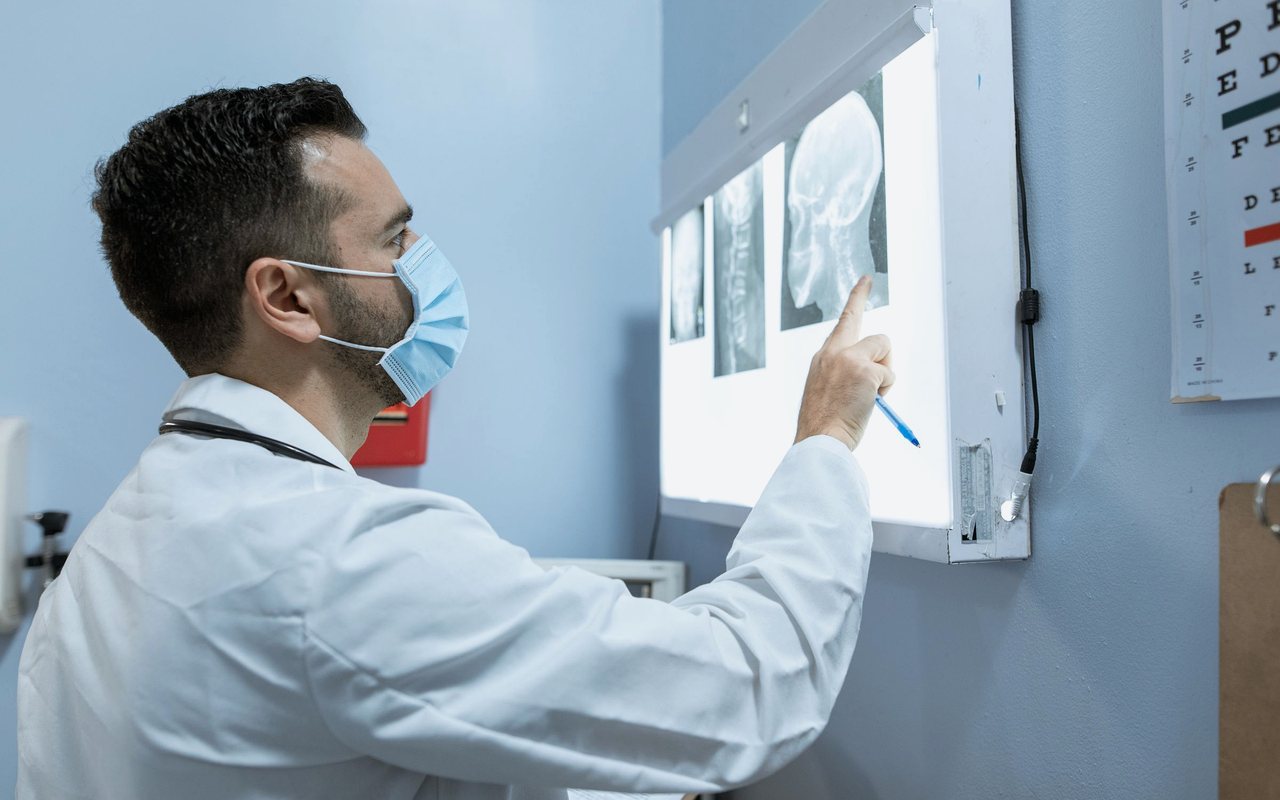
Subdural haematoma drainage
Evacuation of acute or chronic subdural haematoma through burr holes or craniotomy, with closed drainage.
See the procedure
Blood between the dura and the brain. In older adults it can appear weeks after a minor knock and be mistaken for dementia.
A subdural haematoma occurs when the bridging veins running from the brain surface to the venous sinuses tear. In a young person that requires significant trauma and the picture is acute and obvious. In an older person, with some degree of cerebral atrophy, those veins are more stretched and can tear with a minimal knock.
That is where the trap lies. The bleeding is slow, blood accumulates over weeks, and symptoms appear once the patient has forgotten the injury. They are then put down to age, to worsening dementia or to a stroke, and diagnosis is delayed.
The distinction matters because the outcomes are opposite. Degenerative dementia does not reverse; a chronic subdural haematoma drained in time usually returns the patient to their previous state within days. In an older adult who changed over weeks, especially on anticoagulants, a plain head CT is not optional.
The procedures that may be indicated for this condition. Which one applies to you — if any does — is decided on your imaging and your examination.
Evacuation of acute or chronic subdural haematoma through burr holes or craniotomy, with closed drainage.
See the procedure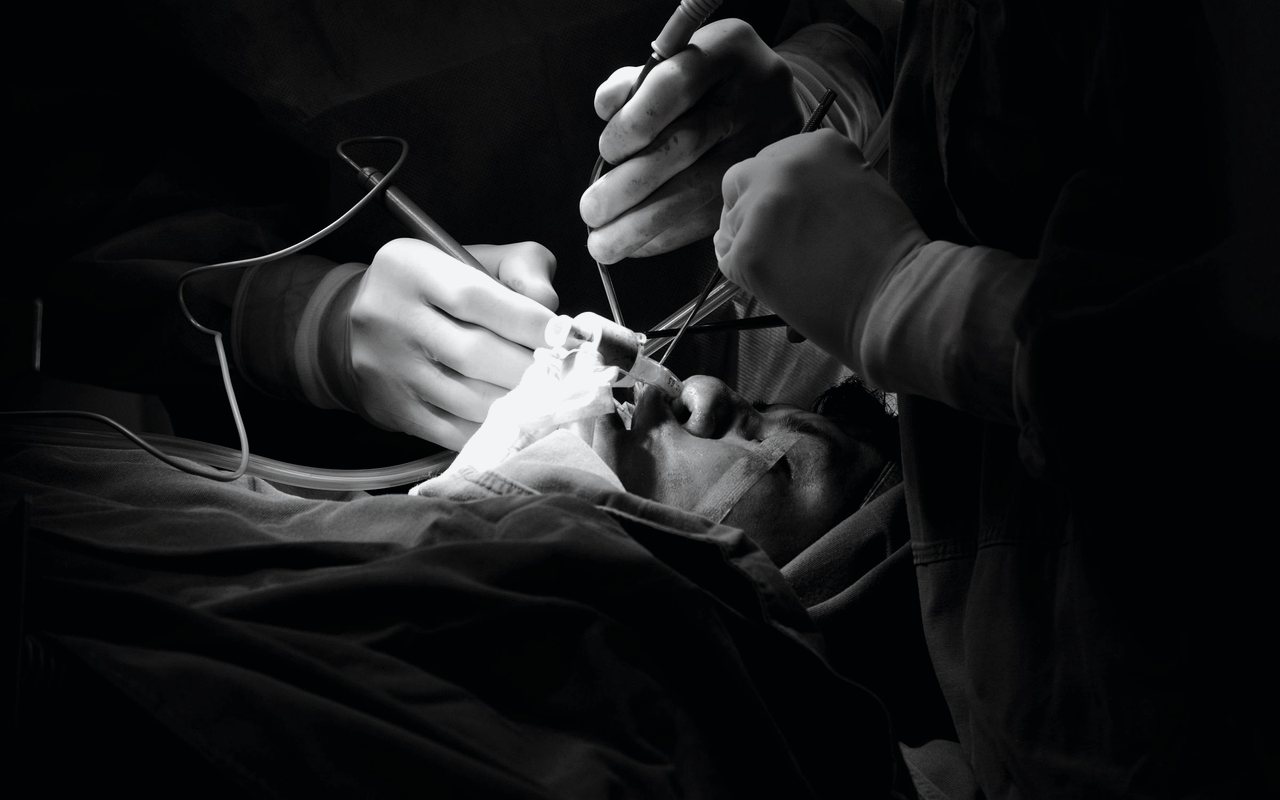
Surgical management of head trauma: haematoma evacuation, elevation of depressed fractures and decompressive craniectomy.
See the procedure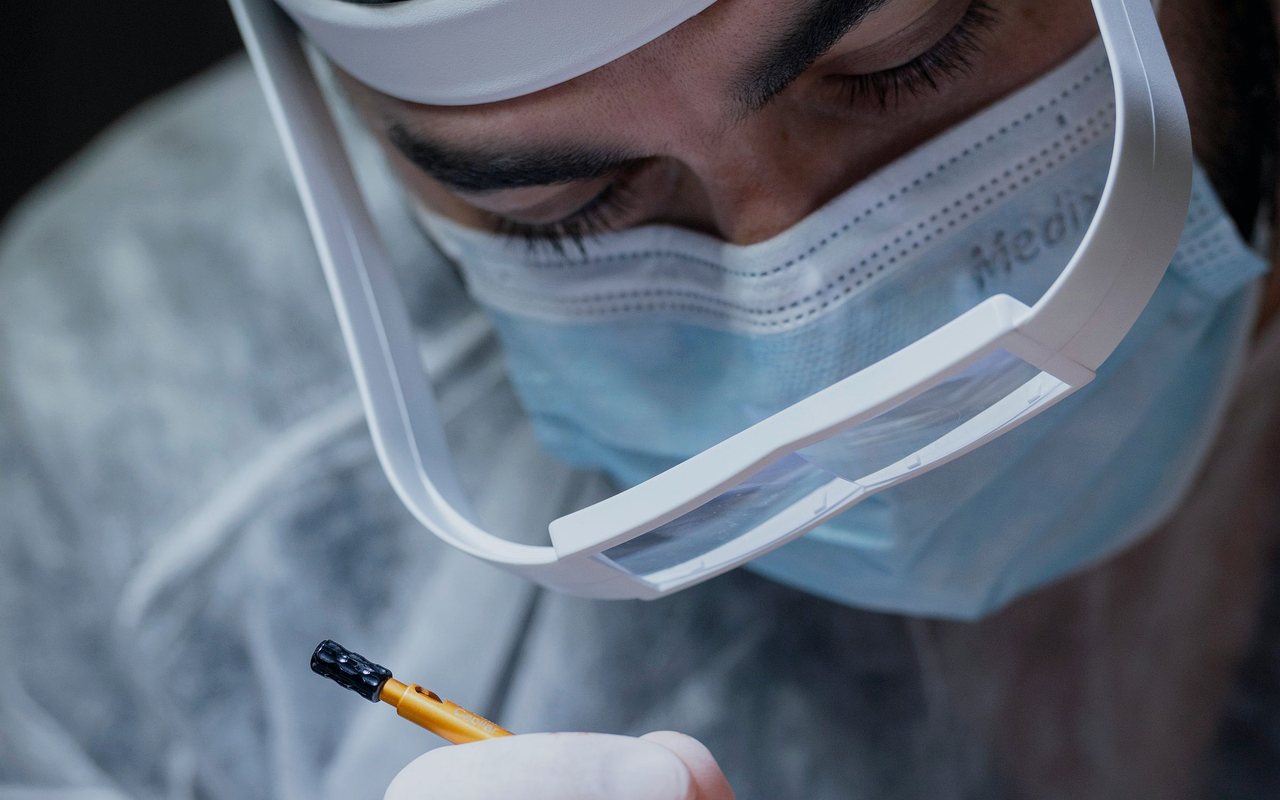
A temporary bone window to reach the brain. The bone is replaced and fixed at the end — no gap is left behind.
See the procedureLoss of consciousness, the worst headache of your life, sudden weakness on one side, difficulty speaking, a seizure, projectile vomiting, or loss of bladder control together with back pain. Go to an emergency department immediately and call (664) 104-9153.
A chronic subdural haematoma usually declares itself two to eight weeks after the injury, sometimes longer. That delay is exactly what causes it to be missed: by the time symptoms appear, nobody connects them to the knock.
Draining a chronic haematoma is among the least invasive neurosurgical procedures: one or two small holes, sometimes under local anaesthesia, a closed drain and a short hospital stay. The acute traumatic form is a major, urgent craniotomy.
They will need to be stopped temporarily around surgery and restarted afterwards with judgement, in coordination with cardiology or internal medicine. The decision weighs bleeding risk against thrombosis risk, and it is made jointly.
It can recur, particularly in patients with marked cerebral atrophy or those restarting anticoagulation. That is why a closed drain is left, CT follow-up is done and the patient is watched over the following weeks.
One consultation with your MRI or CT in hand is worth more than ten internet searches. Book by phone or through the form and you will be told what is there, what it means and what your options are.