
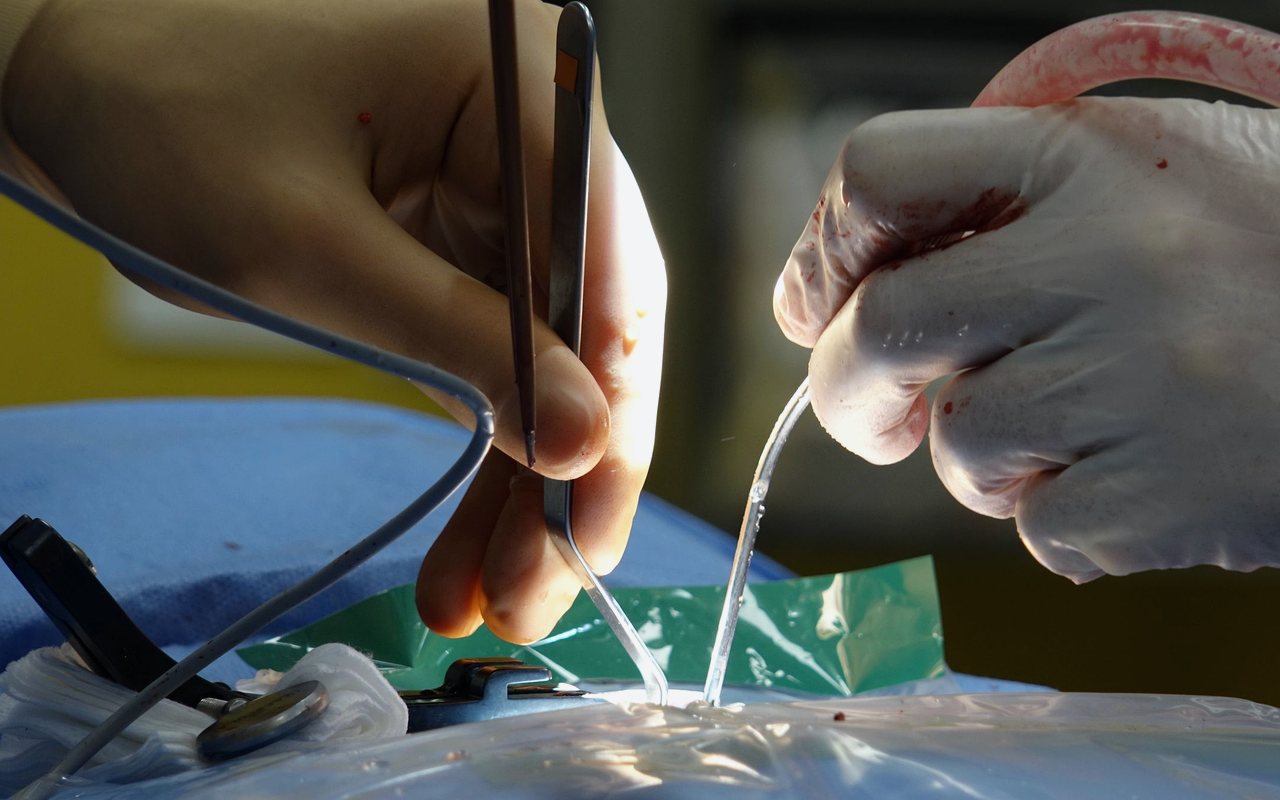
Functional neurosurgery
Procedures directed at facial pain, hemifacial spasm, spasticity and drug-resistant epilepsy.
See the procedure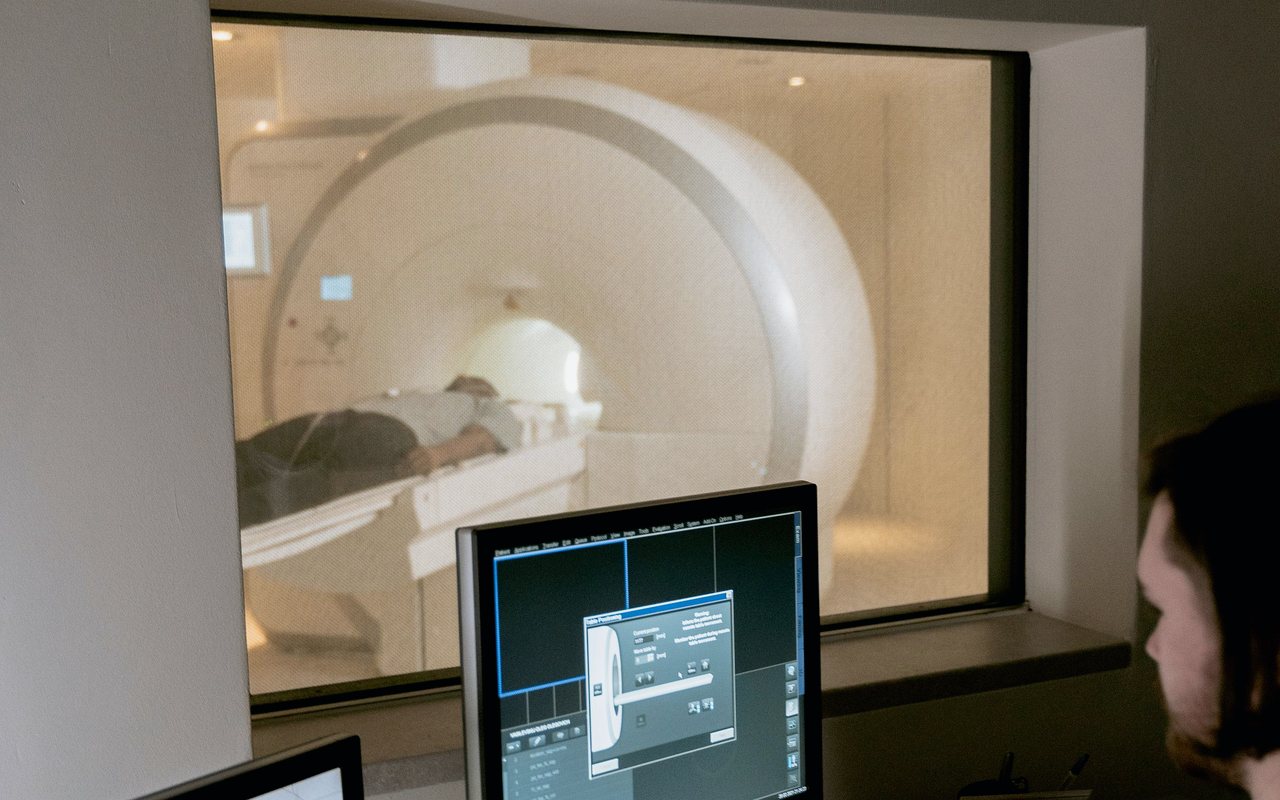
Epilepsy is treated with medication and led by neurology. The neurosurgeon enters in two scenarios: when a lesion is causing the seizures, and when drugs fail to control them.
A seizure is not the same as epilepsy. An isolated seizure can be caused by fever, alcohol, metabolic disturbance or sleep deprivation. Epilepsy means a tendency to repeated unprovoked seizures, and that diagnosis is established by neurology through history, electroencephalogram and MRI.
There is one moment when neurosurgical assessment is indicated from the outset: a first seizure in an adult. In that scenario a structural lesion — tumour, vascular malformation, scar, post-traumatic injury — must be excluded with MRI. When such a lesion exists and is responsible for the seizures, treating it is treating the epilepsy.
The second scenario is drug-resistant epilepsy: seizures persisting despite two or more well-chosen drugs at adequate doses. There a proportion of patients may benefit from surgery, always after an exhaustive pre-surgical work-up carried out jointly with neurology, including video EEG and targeted MRI.
The procedures that may be indicated for this condition. Which one applies to you — if any does — is decided on your imaging and your examination.
Procedures directed at facial pain, hemifacial spasm, spasticity and drug-resistant epilepsy.
See the procedure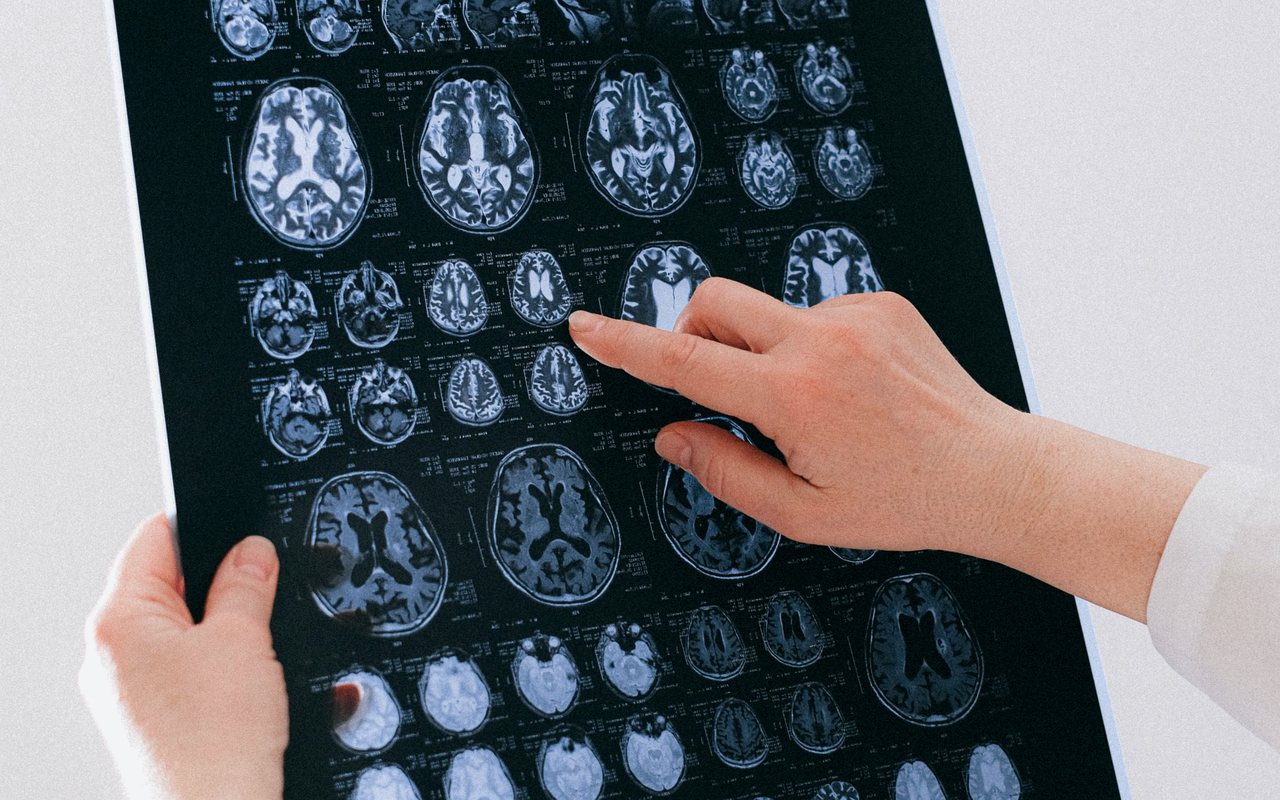
Removal of gliomas, metastases and other brain tumours under the microscope, with neurological function as the limit of the surgical gesture.
See the procedure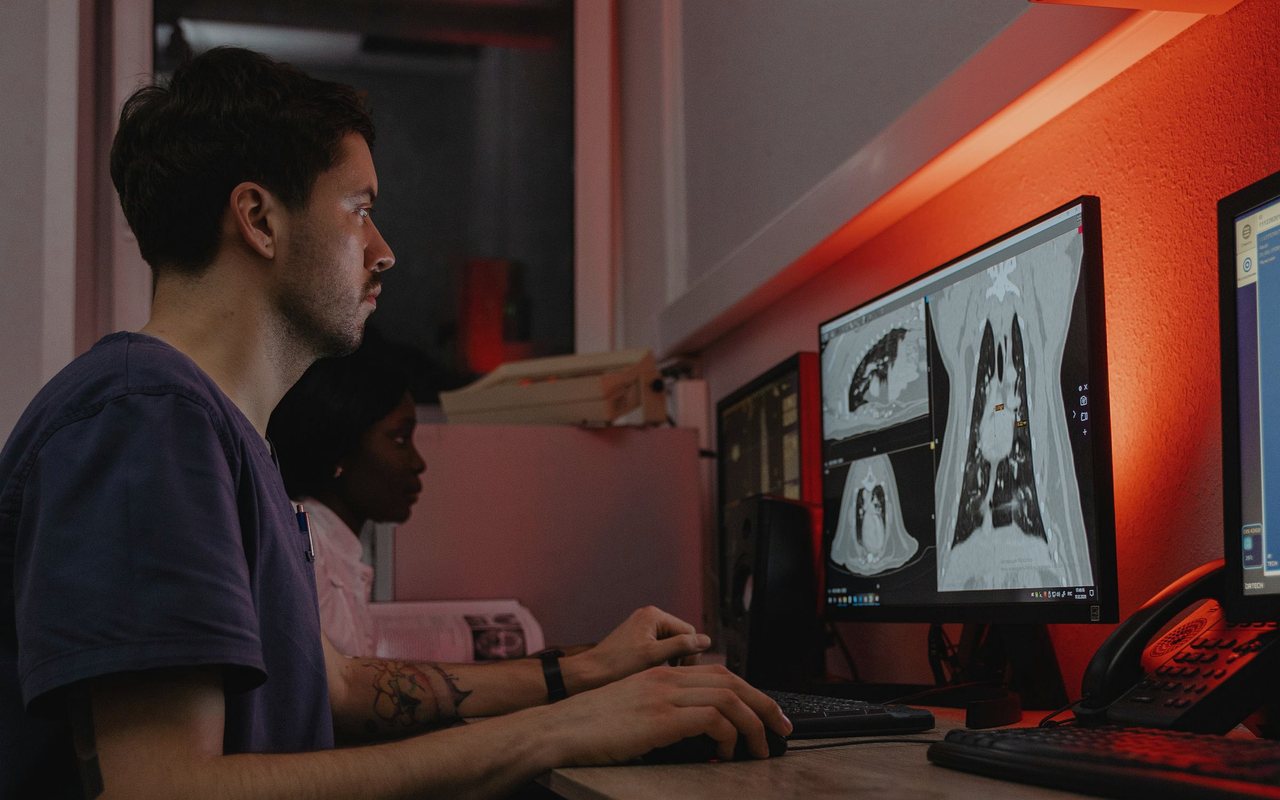
Microsurgical resection of cerebral arteriovenous malformations, alone or combined with prior embolisation.
See the procedureLoss of consciousness, the worst headache of your life, sudden weakness on one side, difficulty speaking, a seizure, projectile vomiting, or loss of bladder control together with back pain. Go to an emergency department immediately and call (664) 104-9153.
Seek medical assessment. A first seizure in adulthood requires investigating the cause with history, electroencephalogram, blood tests and MRI, precisely to exclude a treatable structural lesion. Do not assume it was stress or tiredness without investigation.
No — in fact it is a minority. Most is well controlled with medication. Surgery is reserved for patients with focal seizures unresponsive to two or more drugs, in whom the work-up identifies a resectable focus with acceptable functional risk.
They often improve substantially, particularly when the lesion was clearly responsible. They do not always disappear entirely or allow anti-epileptic medication to be stopped straight away: neurology decides that over time with follow-up EEGs.
Protect them from injury, move hard objects away, turn them on their side, put nothing in their mouth, and time it. If the seizure lasts more than five minutes, repeats without them regaining consciousness, or is the first ever, call emergency services.
One consultation with your MRI or CT in hand is worth more than ten internet searches. Book by phone or through the form and you will be told what is there, what it means and what your options are.